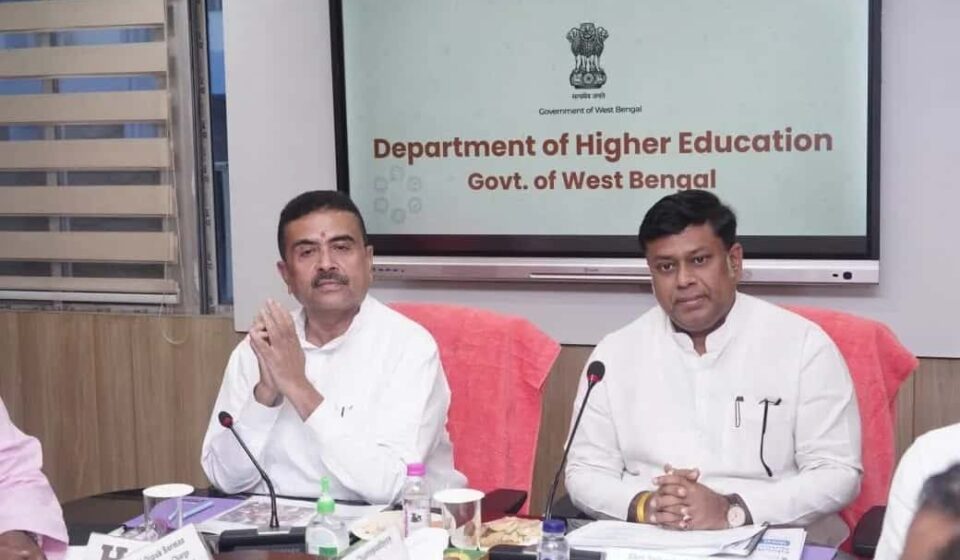
“Education is a service, not a business” – Nabanna’s new policy curbs fees and hands school management to parents

Staff Reporter | July 14 | Kolkata: Nabanna has announced two major decisions to overhaul the education system. On one hand, strict inspections will be implemented to curb the unchecked hike in fees by private schools and colleges; on the other, the primary responsibility for school management is being handed over to parents.
The government’s first move is to enforce strict surveillance on private educational institutions. There have long been complaints regarding fee hikes across the board in the state—from private English-medium schools to universities. The government has adopted a firm stance to put an end to this “commercialization.”
A government roadmap for this initiative is ready. Official teams will visit and inspect every private educational institution in the state that holds a No Objection Certificate (NOC). They will scrutinize whether the fee structure is truly “within the means of the common people.” Clearance to conduct classes for the following year will be granted only if all government regulations are met.
The Chief Minister’s message is unequivocal: “We will not allow education to become a commodity under any circumstances.”
Additionally, she announced that the government would provide financial subsidies for students, aiming to ensure high-quality and nutritious mid-day meals in schools.
The government’s second step involves implementing a new education bill that transfers the authority of school management to parents. The state intends to bring about radical changes not just in fee structures, but in the very manner schools are managed.
The core objective of this bill is to ensure the smooth functioning of schools while prioritizing the interests of students. Currently, the managing committees of most schools are headed by local political leaders, often driven by political or personal agendas. Under the new law, students’ parents will take their place.
This model has been adopted from the 21 states across the country governed by the BJP and the NDA. The Chief Minister has instructed the Education Minister and the Principal Secretary to table the relevant bill during the upcoming assembly session.
Consequently, “student interests” will take precedence over politics in school decision-making processes. Transparency and accountability will increase. A section of the education community believes these two decisions complement each other: breaking the “monopoly” of private schools and restoring democracy within the school system.
All eyes are now on the upcoming assembly session. The new education bill will be passed there.