
🌊হঠাৎ কী ঘটলো অ্যাড্রিয়াটিক সাগরে?
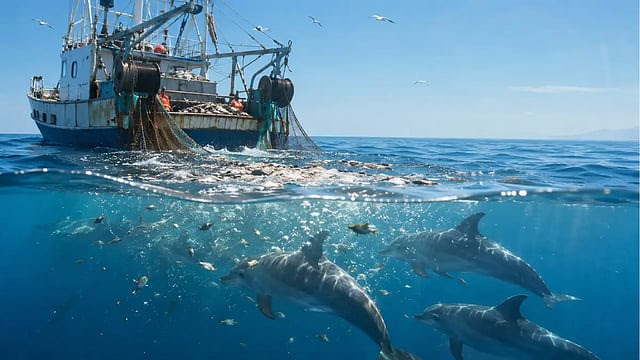
ইতালি ও ক্রোয়েশিয়ার উপকূলজুড়ে অ্যাড্রিয়াটিক সাগরে ১৪৮ দিন ধরে গবেষণা চালিয়েছেন বিজ্ঞানীরা। ৮৫৯ বার সমীক্ষা করে দেখা গেছে এক ভয়াবহ ছবি – কিছু এলাকায় প্রায় ৭৬% ফিশিং ট্রলারের পিছনেই সাঁতার কাটছে বটলনোজ় ডলফিন।
🌊 শিকার করতে নয়, ট্রলার থেকে ফেলে দেওয়া মাছ-সামুদ্রিক প্রাণী কুড়িয়ে খেতেই তারা নৌকার পিছু ছুটছে।
🌊 এমনটা কেন হচ্ছে? ২টো বড় কারণ:
১. সমুদ্রে খাবার ফুরোচ্ছে
ভূমধ্যসাগরে বছরের পর বছর ধরে চলছে অতিরিক্ত মাছ ধরা। রাষ্ট্রপুঞ্জের FAO-র তথ্য বলছে, এখানে টেকসই মাত্রার প্রায় দ্বিগুণ হারে মাছ তোলা হচ্ছে। ফলে ডলফিনের স্বাভাবিক খাবার – সার্ডিন, অ্যাঙ্কোভি, স্কুইড – আগের মতো আর সহজে মিলছে না।
২. ট্রলার = সহজ রেস্তোরাঁ
বড় ট্রলারগুলো জাল তোলার সময় অনেক মাছ ফেলে দেয়। যেগুলো বাজারে বিক্রি হয় না, বা জালে ছোট হয়ে যায়। সেই “বর্জ্য খাবার”-ই এখন ডলফিনের প্রধান খাদ্য। বিজ্ঞানীরা একে বলছেন *‘স্ক্যাভেঞ্জিং বিহেভিয়ার’*।
🌊 উদ্বেগের জায়গা: এটা এখন “সংস্কৃতি” হয়ে যাচ্ছে
গবেষকরা দেখেছেন ছোট ডলফিনের বাচ্চারা মায়ের সাথে সাথেই ট্রলারের পিছু নিচ্ছে। বড়দের দেখে তারাও শিখে যাচ্ছে কীভাবে ফেলে দেওয়া খাবার কুড়োতে হয়।
১৯৯০-এর দশকে মাত্র ১০% ট্রলারের পাশে ডলফিন দেখা যেত। ৩০ বছরে সেই সংখ্যা কয়েকগুণ বেড়েছে। অর্থাৎ এই অভ্যাস এক প্রজন্ম থেকে আরেক প্রজন্মে ছড়িয়ে পড়ছে।
🌊এই অভ্যাসের ৩টে বড় বিপদ
– জালে জড়িয়ে মৃত্যু : খাবারের লোভে জালের কাছে গিয়ে অনেক ডলফিন আটকে গিয়ে মারা যাচ্ছে।
– শ্রবণশক্তির ক্ষতি : ট্রলারের ইঞ্জিনের তীব্র শব্দ ডলফিনের সোনার সিস্টেম নষ্ট করে দিচ্ছে। ফলে তারা দিক ভুলছে, শিকার খুঁজে পাচ্ছে না।
– শিকার ভুলে যাওয়া : মানুষের দেওয়া সহজ খাবারে অভ্যস্ত হয়ে গেলে ডলফিন নিজের স্বাভাবিক শিকার কৌশল ভুলে যাবে।
🌊 বিজ্ঞানীরা কী বলছেন?
এটা শুধু ডলফিনের সমস্যা নয়। অ্যাড্রিয়াটিক সাগরে একসময় প্রচুর “কমন ডলফিন” দেখা যেত। এখন তারা প্রায় বিলুপ্ত। এটা সমুদ্রের বাস্তুতন্ত্র ভেঙে পড়ার সরাসরি সতর্কবার্তা।
______________________
Dolphins trailing trawlers for food: Marine ecosystem at risk
🌊 What is happening in the Adriatic Sea?
Scientists conducted research over 148 days across the Adriatic Sea, spanning the coasts of Italy and Croatia. A survey comprising 859 observations revealed an alarming picture: in some areas, bottlenose dolphins were seen trailing approximately 76% of fishing trawlers.
🌊 They are not chasing the boats to hunt; instead, they follow them to scavenge on fish and marine creatures discarded from the vessels.
🌊 Why is this happening? There are two major reasons:
1. Depletion of food in the sea
Overfishing has plagued the Mediterranean for years. Data from the UN’s FAO indicates that fish are being harvested at nearly double the sustainable rate. Consequently, the dolphins’ natural prey—such as sardines, anchovies, and squid—are no longer as readily available as before.
2. Trawlers = Easy restaurants
Large trawlers often discard significant amounts of fish while hauling in their nets—specifically those that are unsellable or too small. This “discarded food” has now become a primary food source for the dolphins. Scientists term this behavior *‘scavenging behavior’*.
🌊 A cause for concern: It is becoming a “culture”
Researchers have observed dolphin calves following trawlers alongside their mothers. By watching the adults, the young ones are learning how to scavenge for discarded food.
In the 1990s, dolphins were spotted near only 10% of trawlers; over the last 30 years, that figure has multiplied several times over. This implies that the habit is being passed down from one generation to the next.
🌊 Three major dangers associated with this habit:
– Death by entanglement: Lured by the prospect of food, many dolphins approach the nets, get trapped, and perish.
– Hearing impairment: The intense noise from trawler engines damages the dolphins’ sonar systems. As a result, they lose their sense of direction and struggle to locate prey. – Forgetting how to hunt: Once accustomed to easy food provided by humans, dolphins lose their natural hunting skills.
🌊 What do scientists say?
This is not just a problem for dolphins. “Common dolphins” were once abundant in the Adriatic Sea; now, they are nearly extinct. This serves as a direct warning of the collapse of the marine ecosystem.